


8 Tough Quality Checks Every Leroad Golf Cart Undergoes Before Leaving Factory
2026-06-04This article introduces the equipment and technical processes of Leroad’s full-vehicle inspection line, and elaborates on the technical requirements and quality specifications of each inspection procedure. Every inspection procedure constitutes a solid line of defense for product safety and quality. It is these rigorous inspections that deliver high-quality golf carts designed with users’ interests in mind.
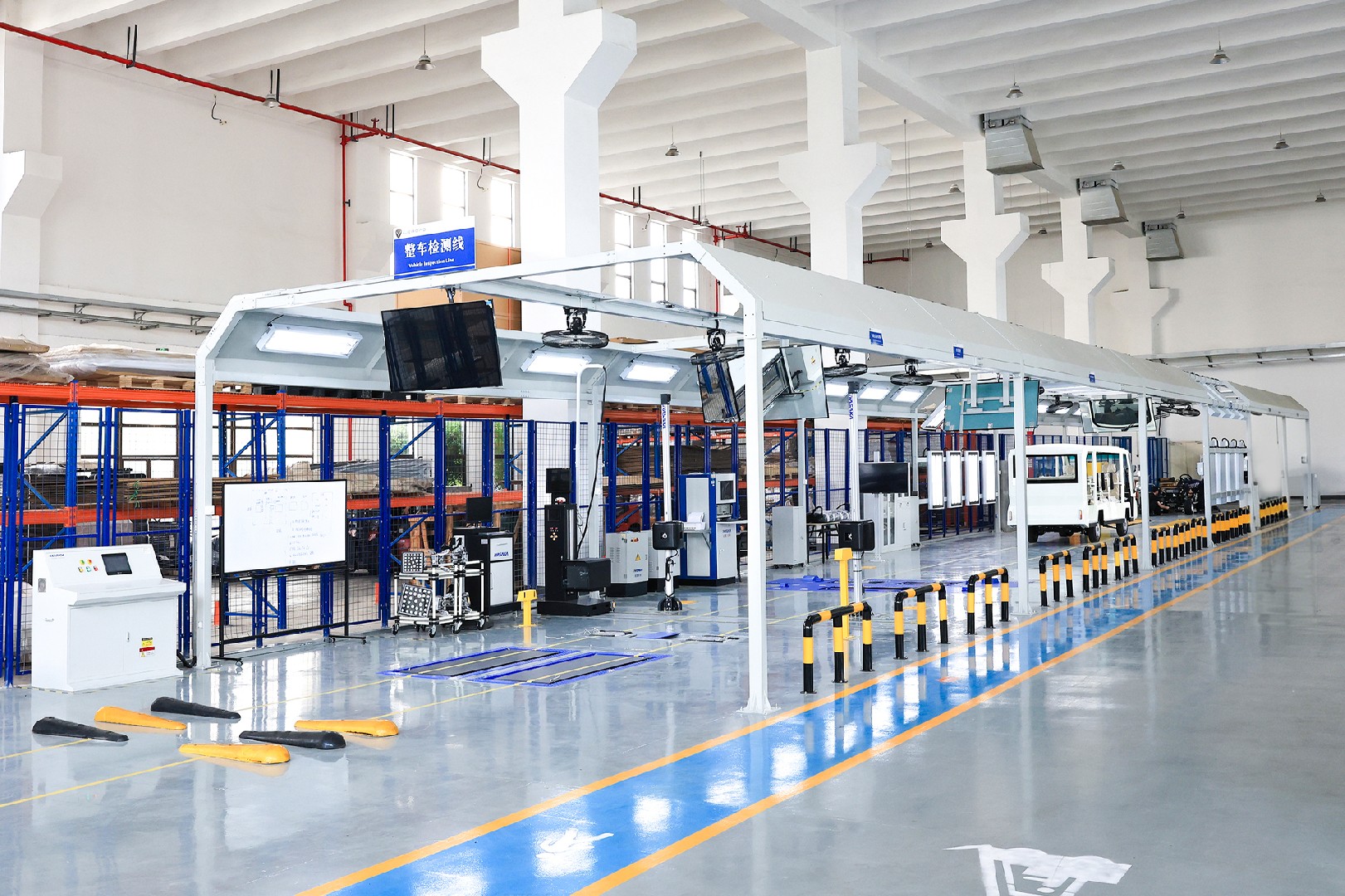
Centralized electrical control for the entire inspection line is fulfilled via intelligent electric control cabinets fitted with PLC. The system can link up with MES to facilitate traceability and administration of production data.
1.Eliminate assembly stress
Upon completion of new vehicle final assembly and offline, elastic components of suspension and chassis including springs, shock absorbers and rubber bushings carry built-in assembly residual stress from repeated compression during assembly.
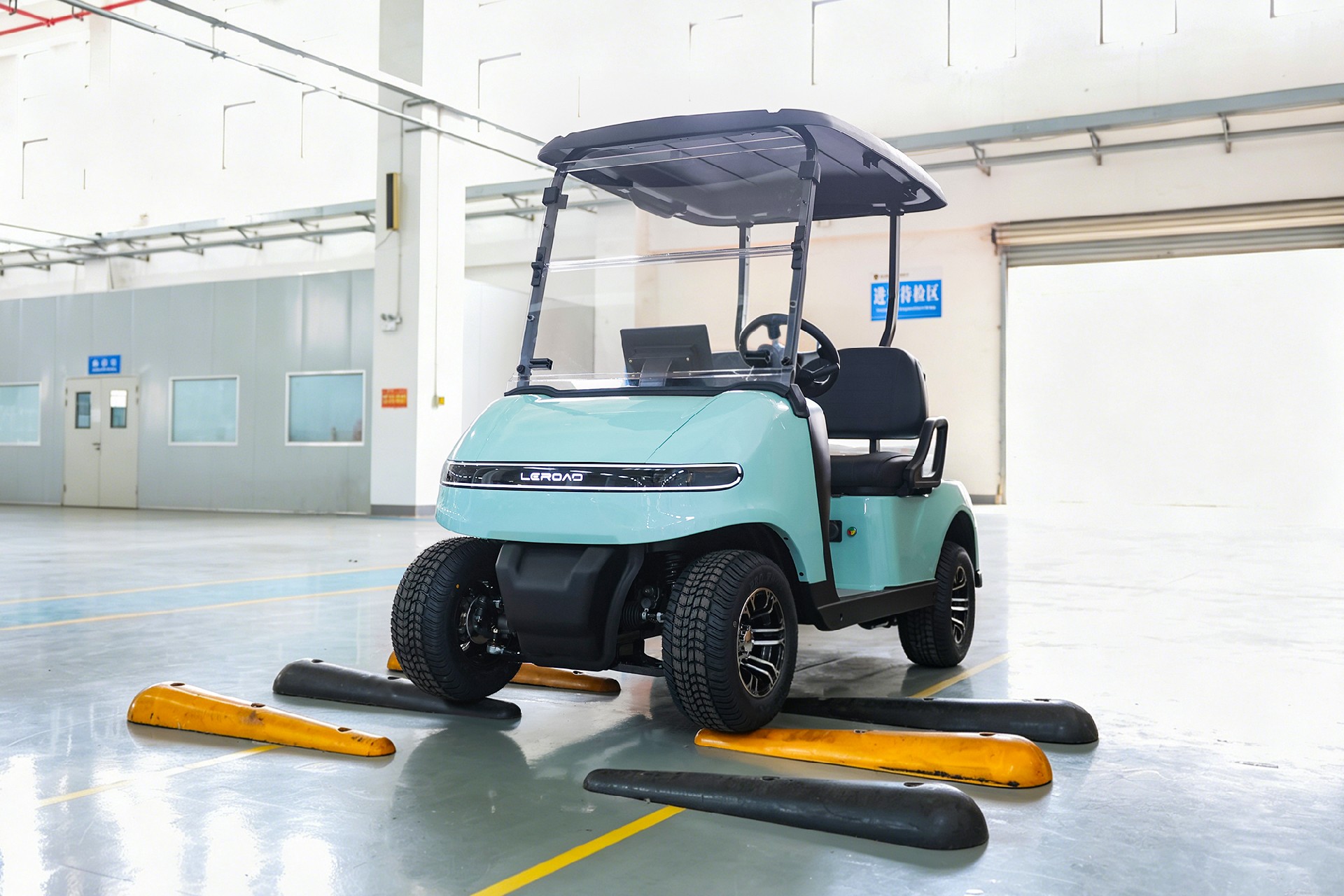
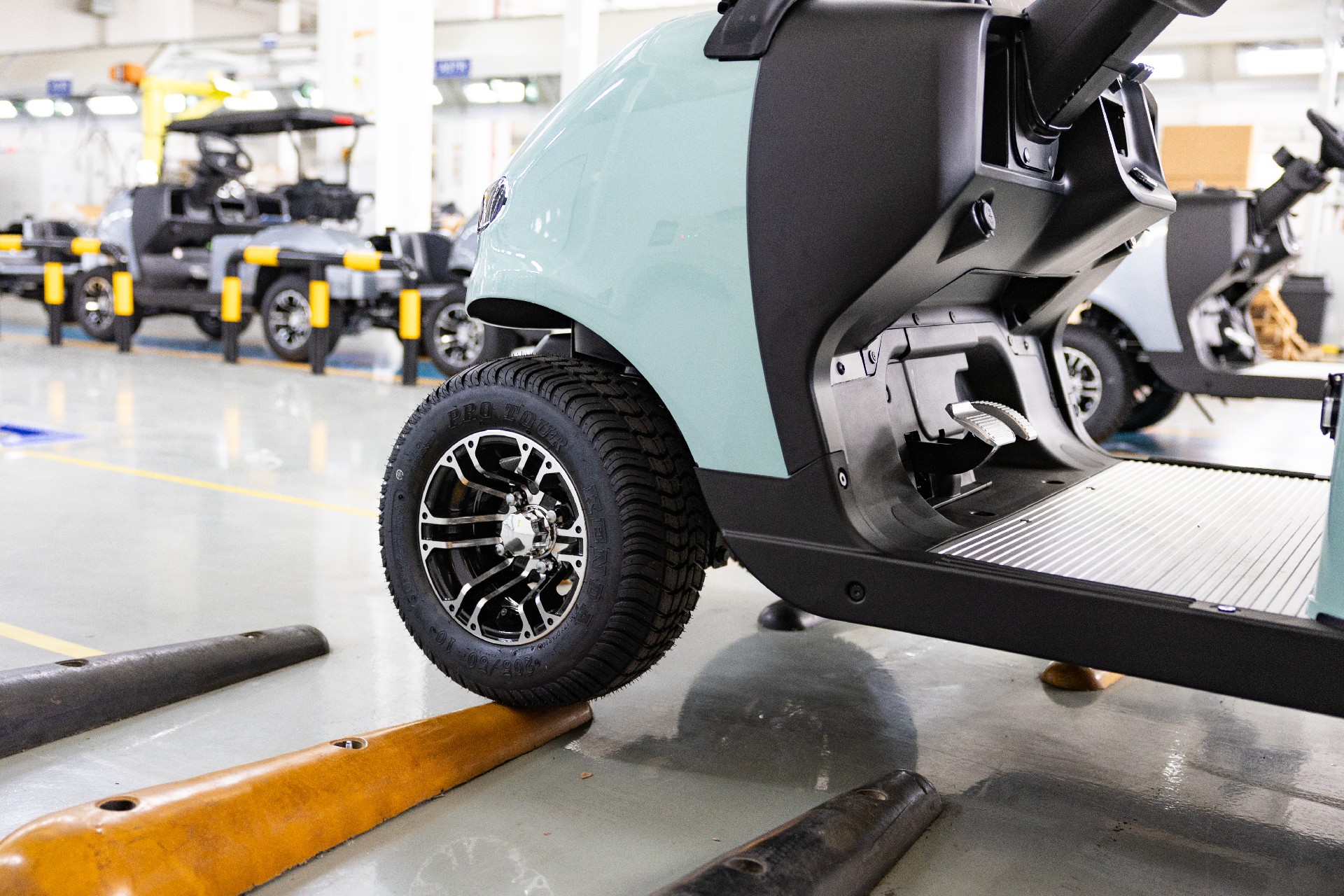
When the golf cart travels over the bump track, simulated bump vibration releases residual assembly stress on chassis and suspension, eliminates component preload, prevents future driving problems such as vehicle pulling and abnormal rattling, and stabilizes four-wheel alignment parameters.
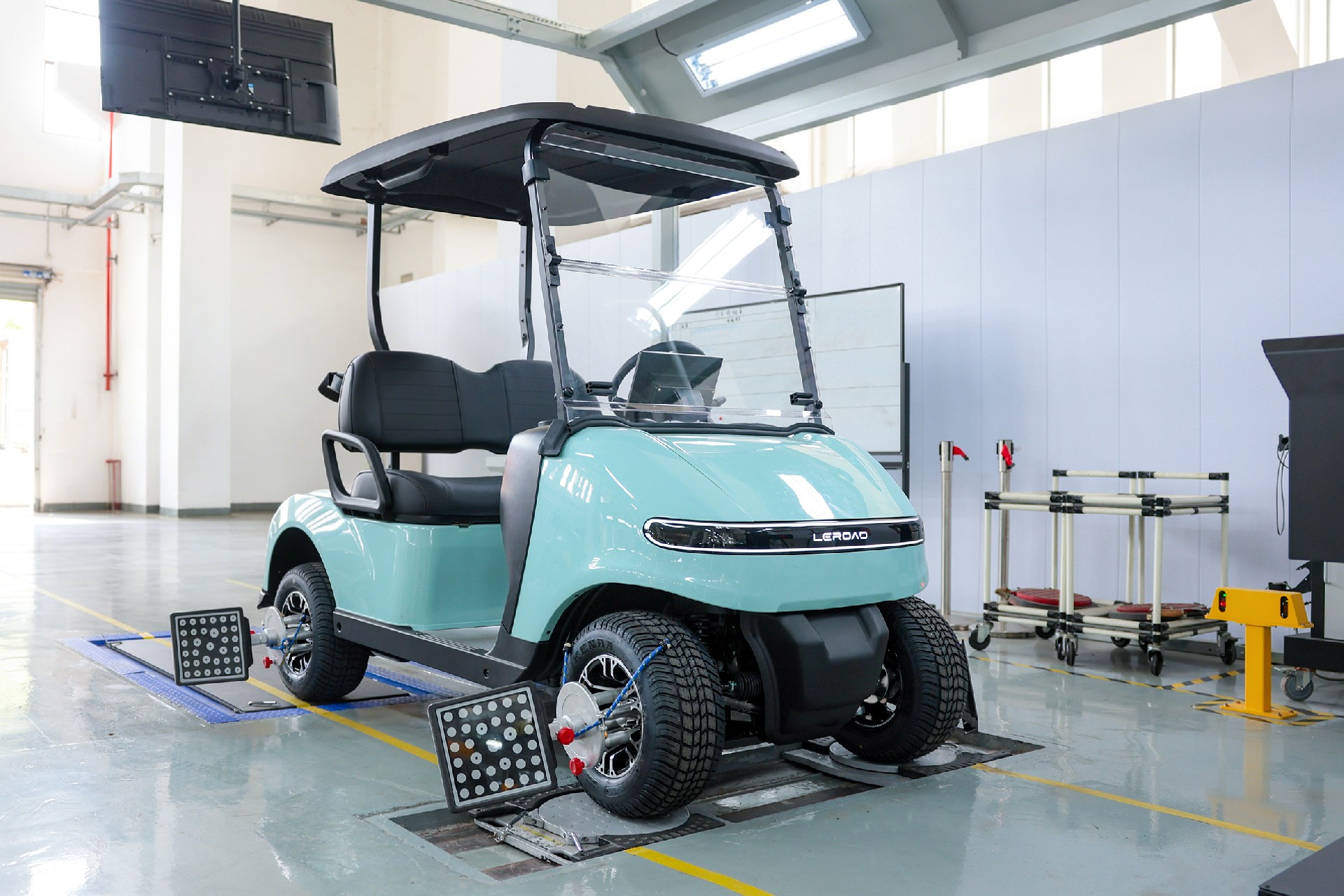
2.Four-wheel Alignment Detection
The four-wheel alignment test accurately calibrates wheel and chassis positioning and inspects toe and camber for geometric alignment. It measures the toe and camber angles of wheels to guarantee stable driving performance and even tire wear.
The four-wheel alignment system effectively avoids common faults including skewed steering wheel, vehicle pulling, eccentric tire wear, rapid premature tire failure, unstable steering and abnormal chassis noise.
3.Headlamp Illuminance & Optical Axis Inspection
Light detection equipment measures headlamp luminous intensity, beam offset and lamp mounting height to secure driving safety at night or under low-visibility conditions.
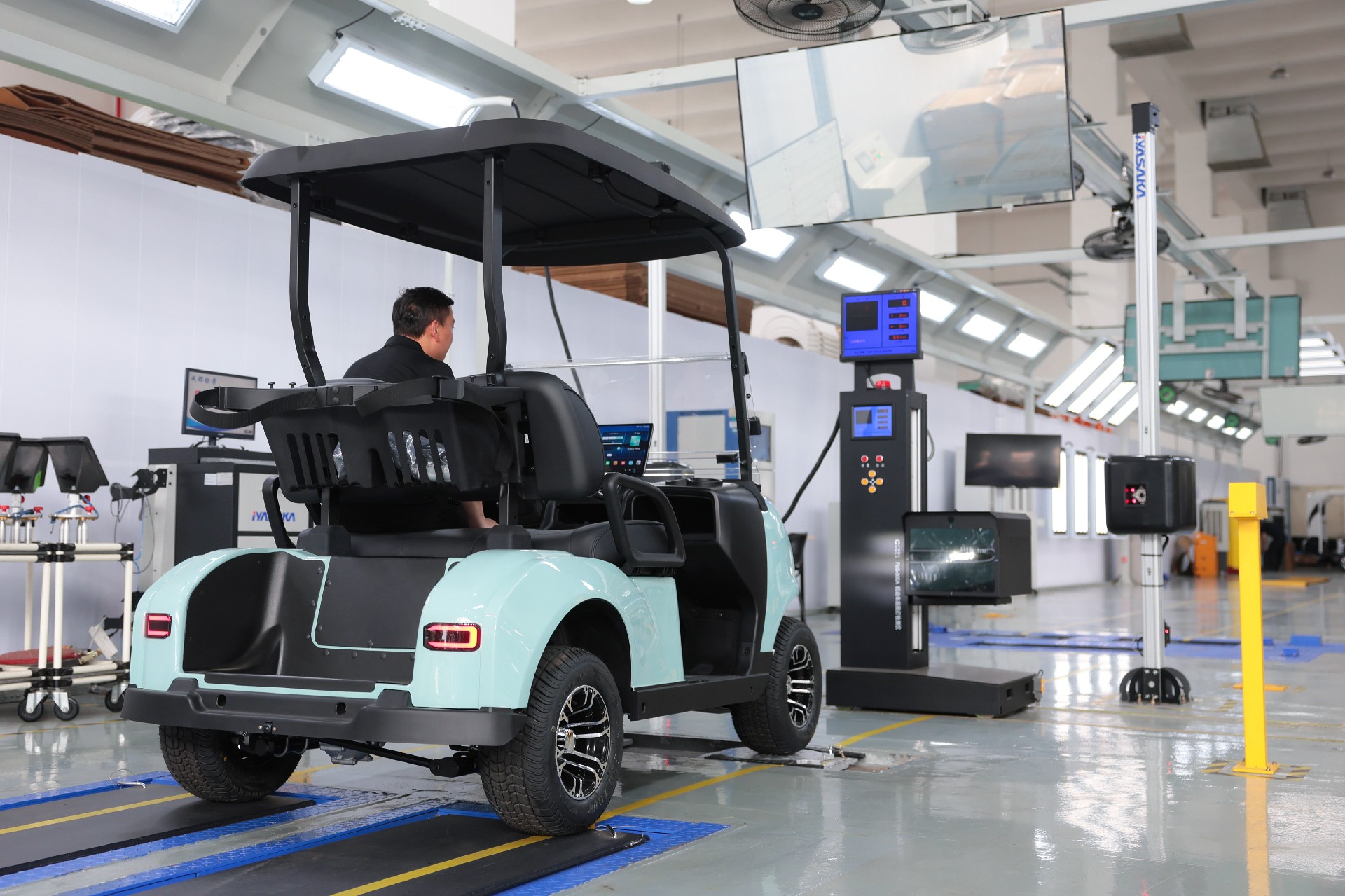
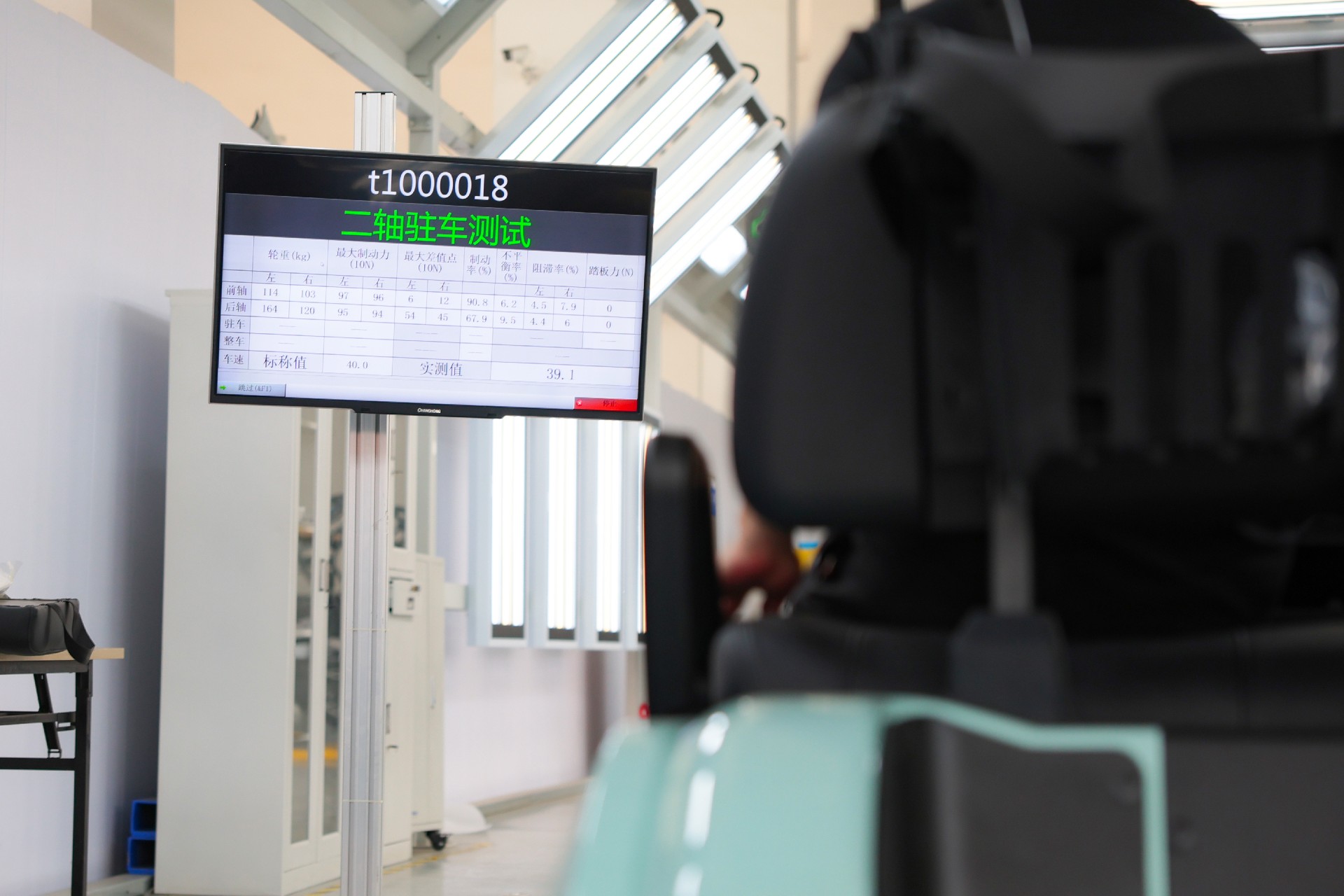
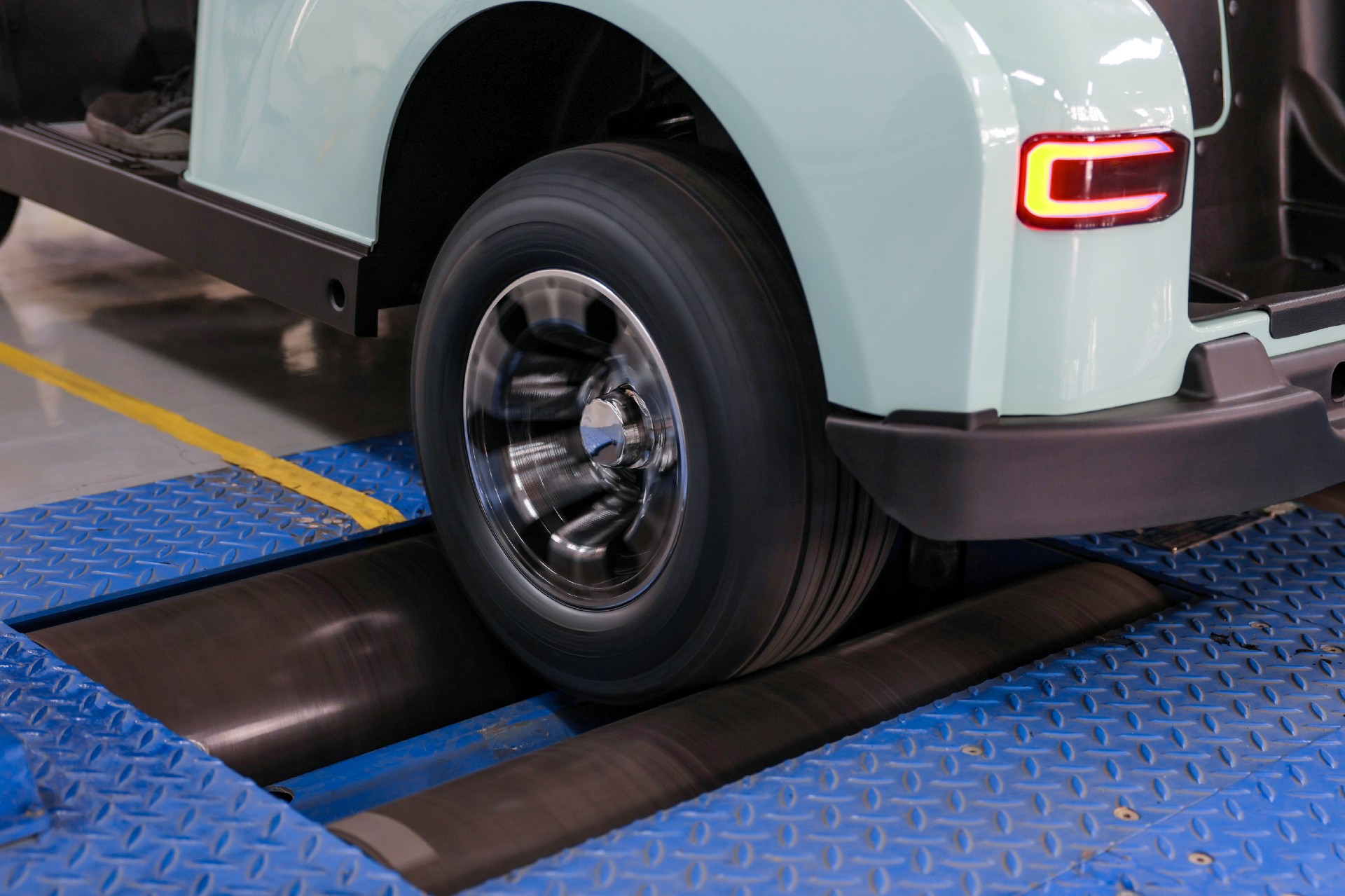
4. Composite Testing(Speed, Brake & Side Slip)
Composite detection bench is core end-of-line inspection equipment co-developed by Leroad and inspection equipment manufacturers and customized for Leroad’s final inspection procedure. Centered on three key performance tests including braking, side slip and speed, it implements precise re-inspection complying with industrial standards. The bench is capable of testing vehicle speed, braking force and side slip to ensure vehicles’ dynamic driving performance meets safety.
5.Interior/Exterior & Static Electric Detection
The Interior & Exterior Detection Zone is equipped with multiple sets of white-yellow dual-color tubes to simulate natural daylight and replicate real sunlight conditions for comprehensive inspection of interior and exterior surface conditions.
With even and soft lighting coverage, inspectors thoroughly check body paint, sheet metal, plastic components, seats and trim panels to eliminate appearance defects including scratches, dents, color difference, stains and uneven assembly gaps, ensuring finished vehicle exterior quality meets standards.
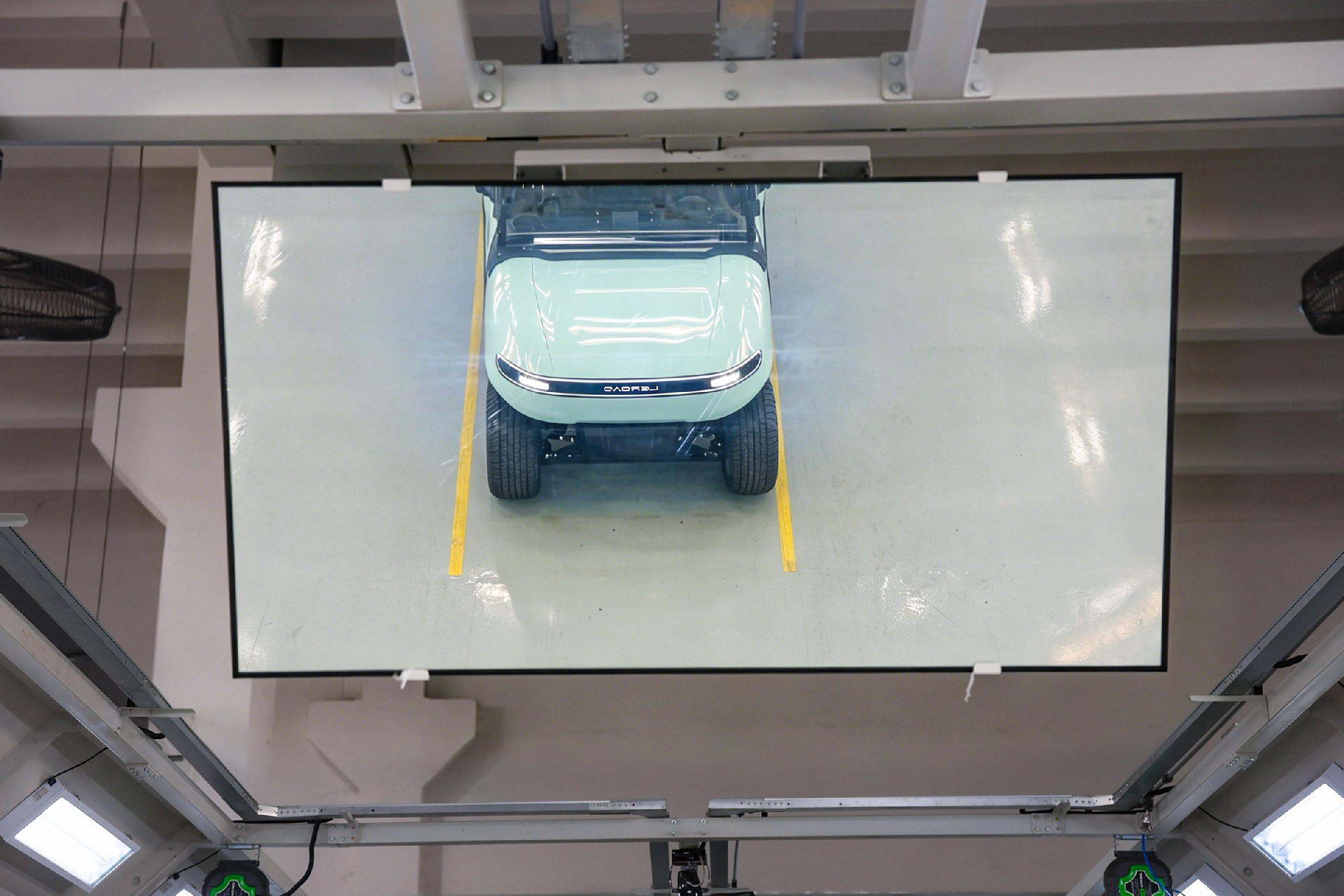
Static Electrical Function Detection for complete vehicle covers all electrical modules: lighting system, instrument display, central control, air conditioner, horn, rearview camera, wiring harness connection, on-board charging and warning lamps. Every item is verified on functional response, signal transmission and system matching.
It eliminates malfunction, error codes, loose wiring connection and abnormal electrical noise to guarantee stable and normal operation of the full-vehicle electrical system, safeguarding driving safety and riding comfort.
6.Chassis Detection
With the lifting platform, comprehensive static inspection is performed on the complete vehicle chassis, suspension and steering system.
It ensures solid chassis structure and reliable connections free of hidden safety hazards, fundamentally eliminating potential faults such as abnormal driving noise, vehicle drifting, loose fittings and fluid leakage so as to deliver stable, safe and durable vehicle performance.


- Friendly link
- Leroad Special Vehicle
